GI Stripes
GI Stripes | GI Stripes From Sarbadaa
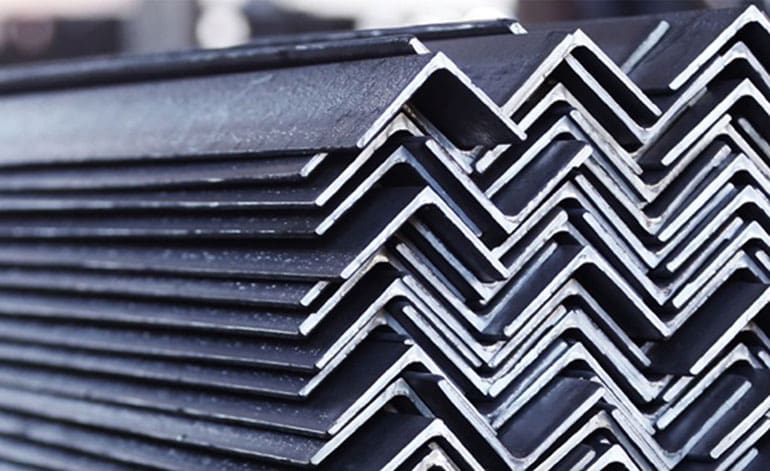
Hot dip and cooled dip earthing strips are manufactured in different dimensions with an average zinc coating of 70 to 80 microns for earthing and lightning protection applications.
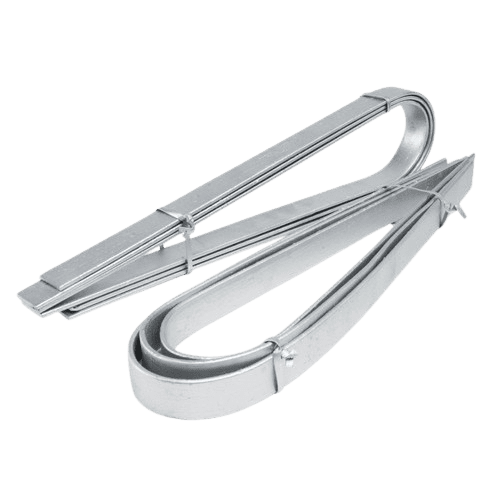
Gi Earthing Strip Features:
Here is Some Information About Gi Earthing Strips:
Material:
The term “Gi” stands for Galvanized Iron, indicating that the strip is made of iron or steel coated with a layer of zinc to protect it from corrosion.
Size and Dimensions:
Gi earthing strips come in various sizes and dimensions, and their selection depends on the specific requirements of the electrical system and the amount of current they need to handle.
Installation:
Gi earthing strips are typically installed in the ground to establish a connection between electrical equipment and the Earth. They are often buried in the soil to provide a low-resistance path for fault currents.
Corrosion Resistance:
The galvanized coating on the iron or steel strip enhances its corrosion resistance, making it suitable for long-term use in different environmental conditions.
Conductivity:
The primary purpose of a Gi earthing strip is to conduct electric currents safely into the ground. The material’s conductivity ensures that the strip effectively dissipates any fault currents and prevents the build-up of dangerous voltages.
Compliance with Standards:
Gi earthing strips are designed and manufactured to comply with relevant electrical standards and codes to ensure their reliability and safety in various applications.
Applications:
Gi earthing strips are commonly used in electrical grounding systems for buildings, industrial facilities, power distribution systems, and other applications where grounding is crucial for safety and proper operation.
Maintenance:
Regular inspection and maintenance are essential to ensure the effectiveness of the grounding system. This may include checking for any signs of corrosion, physical damage, or degradation over time.
Safety Considerations:
Proper installation and maintenance of Gi earthing strips are critical for the safety of electrical systems and personnel. Ensuring low-resistance paths to the ground helps prevent electric shocks and minimizes the risk of damage during fault conditions.